 ×
Wholesale faucet manufacturers face mounting pressure to maintain product quality while controlling costs and minimizing customer returns. A robust faucet QC inspection process is fundamental to achieving both objectives simultaneously. Return rates directly impact profitability, customer satisfaction, and brand reputation in the competitive wholesale market. Establishing comprehensive quality control protocols ensures that every unit leaving your facility meets industry standards and customer expectations.
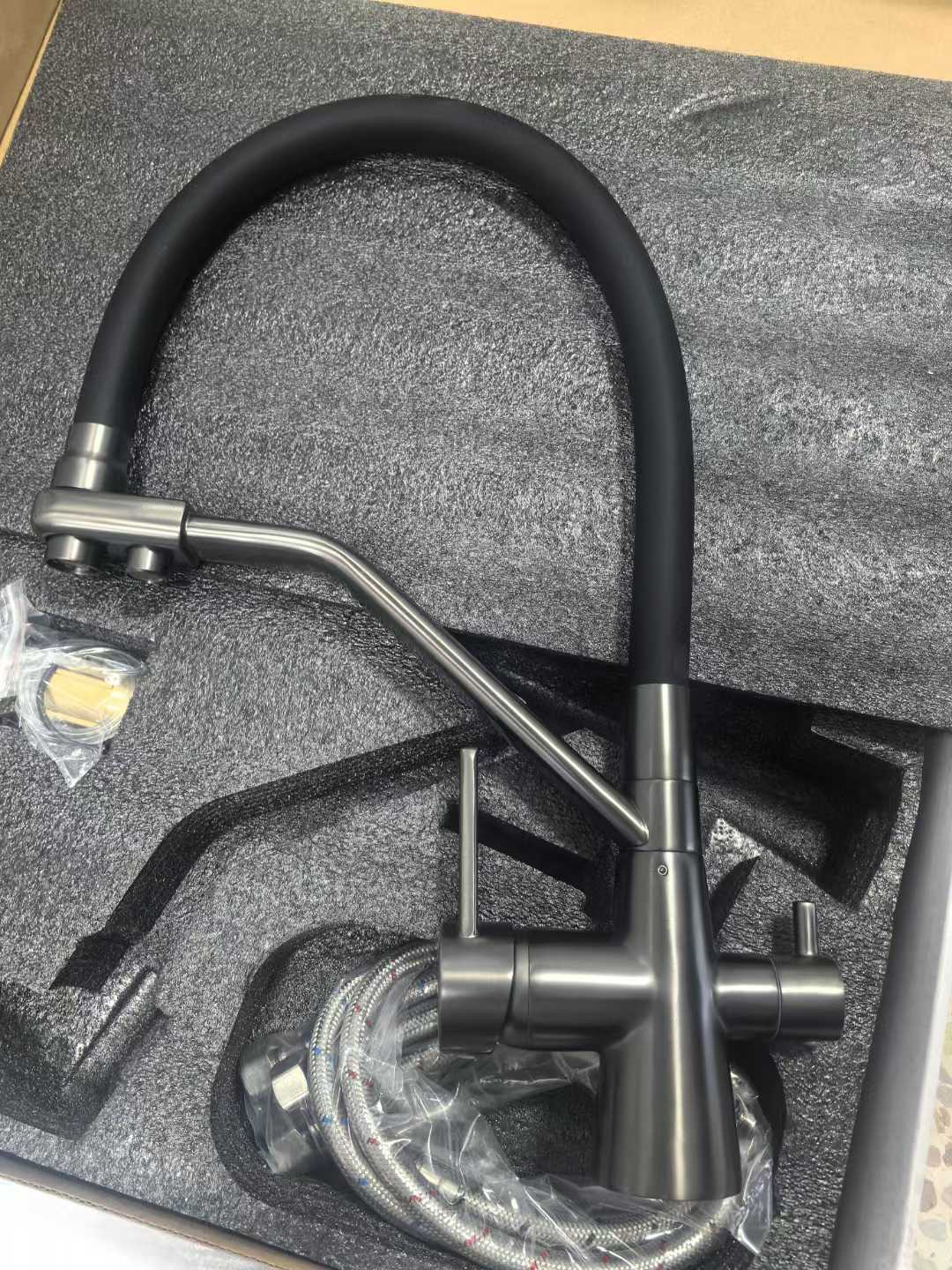
The wholesale standards for faucet manufacturing demand rigorous inspection at multiple production stages. Quality control encompasses material verification, assembly accuracy, pressure testing, finish durability, and functional performance. By implementing structured product testing protocols, manufacturers significantly reduce return rate reduction outcomes and strengthen their market position. This article explores the critical components of effective faucet QC inspection systems designed for wholesale operations.
The foundation of effective faucet QC inspection begins with incoming material inspection. All brass components, ceramic cartridges, seals, and fasteners must meet specification before assembly commences. Verifying material certifications, dimensional accuracy, and surface finish quality prevents defects from propagating through the production line. Quality control procedures should include hardness testing, alloy composition verification, and visual defect identification for every batch of raw materials.
Wholesale standards require detailed documentation of material source and testing results. Establishing relationships with certified suppliers reduces variability but does not eliminate the need for incoming inspection. Product testing at this stage catches contamination, manufacturing defects, and specification deviations early. Return rate reduction begins when components meet strict acceptance criteria before assembly starts.
Assembly-stage faucet QC inspection ensures proper component fit, correct thread engagement, and leak-free connections. Each assembled unit must undergo pressure testing at rated and over-pressure conditions to verify seal integrity. Wholesale standards typically mandate 24-hour static pressure testing followed by dynamic cycling tests simulating customer usage patterns. Quality control testing identifies leak points, loose connections, and assembly errors before units reach customers.
Pressure testing protocols document flow rate, pressure drop, and any anomalies for every unit. Product testing at this stage reveals seal degradation, cartridge defects, and manufacturing inconsistencies. Return rate reduction strategies depend critically on catching these failures during production rather than in customer facilities. Automated pressure testing systems increase consistency and throughput while maintaining inspection rigor.
Beyond pressure testing, comprehensive faucet QC inspection includes functional assessment of handle operation, aerator performance, and spray pattern consistency. Quality control procedures must verify smooth valve operation through minimum cycle counts, ensuring smooth engagement and no grinding or sticking. Spray pattern testing confirms that water distribution remains uniform and consistent across temperature ranges and pressure conditions. Product testing for durability often includes thermal cycling to evaluate seal performance under repeated heating and cooling.
Cartridge longevity directly impacts return rates in wholesale markets. Testing cartridges for sediment resistance, hot water tolerance, and mechanical reliability ensures long-term customer satisfaction. Return rate reduction requires testing standards that simulate real-world conditions including varying water quality, pressure fluctuations, and extreme temperatures. Quality control reports document all functional assessments and provide traceability for problem identification.
Surface finish inspection represents a critical but often underestimated component of faucet QC inspection. Chrome plating thickness, uniformity, and adhesion must meet wholesale standards to prevent peeling, discoloration, and corrosion. Quality control visual inspection procedures should include accelerated corrosion testing in salt spray chambers to predict field performance. Product testing for finish durability identifies plating defects that would become visible failures within months of customer use.
Wholesale standards require specification of chrome plating thickness, usually 0.5 to 1.2 micrometers for decorative layers plus undercoating. Return rate reduction depends on consistent application and proper base material preparation. Quality control processes document plating thickness measurements and corrosion resistance test results for every production batch. Visual defects including pits, scratches, and uneven coverage must be corrected before shipping.
Robust faucet QC inspection systems require comprehensive documentation linking each unit to inspection records, test results, and material sources. Quality control traceability enables rapid problem identification and targeted corrective action when returns occur. Wholesale standards increasingly demand batch-level tracking and individual unit serialization for high-value products. Product testing records should include date, operator identification, equipment calibration status, and pass/fail determination for every inspection point.
Digital quality management systems streamline documentation and enable real-time reporting of quality metrics. Return rate reduction accelerates when quality teams analyze defect patterns and implement preventive corrective actions promptly. Quality control data should feed production forecasting and supply chain adjustments to address systematic issues. Wholesale standards expect immediate escalation of out-of-specification findings and root cause investigation protocols.
Statistical process control methods provide quantitative frameworks for monitoring faucet QC inspection effectiveness. Quality control teams should track key metrics including defect rates by failure mode, yield percentages, and rework frequency. Product testing results should be analyzed using control charts to detect process drift before defects reach customers. Return rate reduction strategies rely on identifying statistically significant changes in process performance.
Wholesale standards benefit from implementing Six Sigma or lean quality methodologies to systematically reduce variation. Quality control improvement cycles should include supplier feedback, manufacturing process optimization, and design refinement based on failure analysis. Return rate reduction targets should be tied to specific process improvements with quantifiable expected outcomes. Continuous monitoring and periodic audits ensure that faucet QC inspection procedures remain effective and aligned with evolving wholesale standards.
Standard wholesale faucet quality control pressure testing typically includes static pressure testing at 1.5 times the maximum rated pressure for 24 hours followed by dynamic cycling at rated pressure through 100,000 cycles. Specific pressure thresholds depend on the intended market, plumbing codes, and application type. Product testing specifications should be documented in quality control procedures and reviewed against applicable standards like NSF or IAPMO requirements.
Increased faucet QC inspection frequency and sampling intensity correlate directly with return rate reduction. Quality control procedures implementing 100 percent inspection on critical parameters like pressure and finish quality catch more defects before shipping. Wholesale standards often require statistical sampling plans for non-destructive tests combined with 100 percent inspection for product testing that reveals systemic issues. Return rate reduction typically becomes measurable within 90 days of implementing more rigorous quality control protocols.
Comprehensive quality control documentation should include test certificates, material certifications, batch identification, pressure test results, visual inspection reports, and cartridge performance data. Wholesale standards require traceability linking each faucet QC inspection record to the specific production batch and component sources. Product testing records should be retained for warranty periods and provide clear evidence of compliance with specified quality control procedures. Return rate reduction depends on maintaining detailed documentation that enables rapid investigation when customer issues arise.

 EN