 ×
Hard water and coastal environments present significant challenges for plumbing infrastructure, particularly when it comes to faucet durability and performance. Mineral deposits from hard water accelerate corrosion, while salt spray in coastal areas compounds this problem exponentially. An anti-corrosion faucet becomes essential in these conditions, offering both operational reliability and extended service life. This comprehensive wholesale guide explores how to select the right corrosion resistant faucets for challenging water environments.
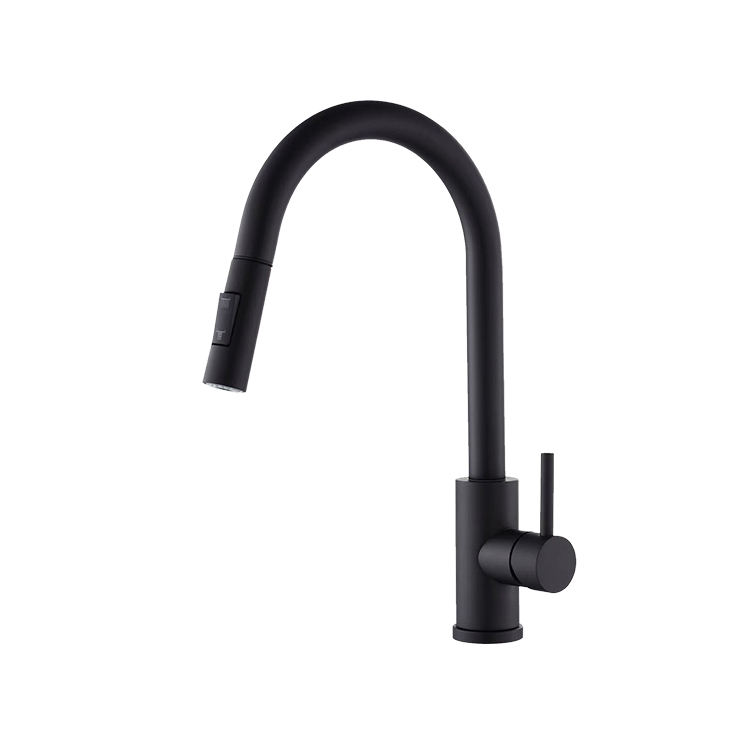
Purchasing decisions for wholesale faucet selection require understanding material composition, coating technologies, and performance standards specific to hard water and coastal applications. The right corrosion resistant solution protects your investment while minimizing maintenance costs and system downtime. Whether sourcing for commercial properties, hospitality venues, or large residential developments, knowledge of these factors directly impacts project outcomes and customer satisfaction.
Hard water contains elevated levels of calcium and magnesium ions that precipitate when heated or exposed to air. These mineral deposits accumulate on faucet surfaces, aerators, and internal components, creating scale buildup that restricts water flow. Over time, this mineralization process compromises the anti-corrosion faucet's performance, leading to flow reduction, visible staining, and accelerated corrosion of underlying metal surfaces. Wholesale buyers must select units specifically engineered to resist these mineral deposits through specialized coating systems and material selection.
Coastal areas expose faucets to salt-laden air that accelerates oxidation processes dramatically. Chloride ions penetrate standard protective coatings, reaching the base metal and initiating galvanic corrosion. This corrosive mechanism operates differently than hard water mineralization, requiring distinct protective strategies. A corrosion resistant faucet designed for coastal use incorporates multi-layer coating systems and marine-grade materials that withstand saltwater exposure far more effectively than standard plumbing fixtures. For wholesale applications in beachfront properties or maritime facilities, this distinction becomes critically important for long-term asset protection.
Stainless steel remains the premier material choice for anti-corrosion faucet manufacturing, particularly grades 304 and 316. Grade 304 stainless steel offers excellent corrosion resistance in hard water environments through its chromium and nickel composition. Grade 316 stainless steel, with added molybdenum, provides superior performance in coastal areas where salt exposure creates more aggressive corrosive conditions. Wholesale selection must distinguish between these grades, as the cost difference translates directly into extended service life and reduced replacement cycles. The chromium content in both alloys creates a passive oxide layer that protects underlying metal from chemical attack.
Beyond base material composition, corrosion resistant coatings provide essential additional protection. PVD (Physical Vapor Deposition) coatings create durable, wear-resistant surface finishes that prevent mineral accumulation and saltwater penetration. Electroplating systems with nickel and chrome provide traditional corrosion resistance, though they require careful quality control during manufacturing. Powder coat applications offer excellent aesthetic options while maintaining protective properties. When evaluating wholesale corrosion resistant options, specify coating thickness and adhesion standards, as inferior coating application undermines even premium base material selection.
NSF/ANSI 61 certification validates that anti-corrosion faucet materials meet safety standards for potable water contact. For hard water applications, look for units tested and rated for mineral-rich water exposure. Coastal area specifications should verify salt spray resistance ratings following ASTM B117 standards, which measure corrosion resistance under accelerated saltwater conditions. Wholesale procurement should mandate third-party testing documentation proving performance claims. These certifications provide objective evidence that your corrosion resistant selection will deliver promised durability in specified environments.
An anti-corrosion faucet reduces but does not eliminate maintenance requirements in hard water and coastal area settings. Wholesale selections must consider aerator cleaning intervals, descaling protocols, and replacement part availability. Lower-cost options may require more frequent maintenance, ultimately increasing total cost of ownership when labor and downtime factors are included. Corrosion resistant models engineered for these environments typically incorporate replaceable aerator cartridges, accessible mineral traps, and modular construction facilitating efficient service. Evaluate warranty coverage and manufacturer support responsiveness as part of wholesale decision criteria, as post-purchase service quality directly affects operational reliability and customer satisfaction across your project portfolio.
Anti-corrosion faucets for hard water incorporate specialized materials and coatings that resist scale accumulation and mineral deposit adhesion. Stainless steel construction prevents rust formation beneath mineral layers, while advanced surface treatments reduce the chemical bonding of calcium and magnesium deposits. These features maintain water flow and aesthetic appearance despite mineral-rich water exposure, making them essential for long-term performance in hard water environments.
Coastal areas present chloride-based corrosion that penetrates protective coatings more aggressively than mineral deposits. A corrosion resistant faucet for coastal use requires superior coating systems and marine-grade alloys like 316 stainless steel to withstand salt spray exposure. Hard water challenges focus primarily on mineral accumulation, while coastal corrosion directly attacks the base metal structure, necessitating fundamentally different protective strategies for optimal durability.
Start by specifying your water conditions: hard water mineral content, coastal salt exposure intensity, and usage volume. Request NSF/ANSI 61 certification and salt spray resistance ratings matching your environment. Compare stainless steel grades, coating systems, and warranty terms across qualified suppliers. Request maintenance schedules and total cost of ownership projections. Verify replacement part availability and manufacturer support responsiveness before committing to large corrosion resistant faucet orders for wholesale applications.

 EN