 ×
A loose towel rack is one of the most common bathroom issues homeowners face, yet many believe the only solution involves drilling new holes or removing the entire fixture. In reality, there are multiple proven methods to perform effective towel rack repair without the need for additional drilling. Whether your wall-mounted rack has shifted slightly or developed noticeable wobbling, understanding the root causes and practical solutions will help you restore stability and confidence in your bathroom fixtures.
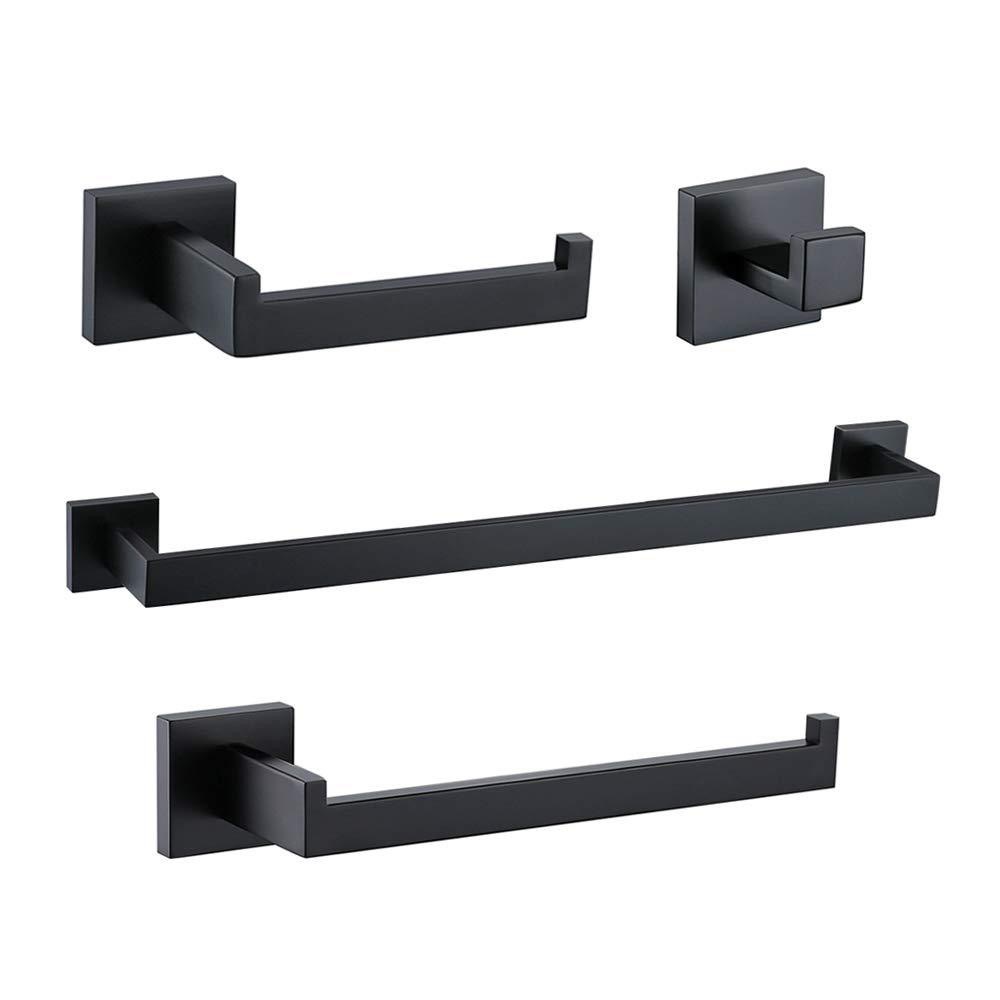
The key to successful reinforce installation lies in identifying why your rack has loosened in the first place. Wall anchors may have weakened, fasteners may have come loose, or the mounting surface itself may have settled. By diagnosing the specific cause, you can apply the right no drill fix strategy that addresses the problem directly rather than introducing new variables through additional holes.
Most wall-mounted rack installations fail because the anchors lose their grip over time. In drywall, plastic anchors can become stripped when the material surrounding them deteriorates. Vibration from daily use—pulling towels, bumping the rack—gradually enlarges the holes and reduces tension. Additionally, moisture in bathrooms can cause drywall to swell or shrink, further loosening fasteners. Understanding these mechanisms helps you select the most appropriate towel rack repair approach without resorting to drilling new holes.
Many homeowners assume that a no drill fix is impossible and immediately reach for a drill to create fresh mounting points. However, this approach introduces several drawbacks. New holes weaken the wall further, and if the original problem wasn't drilling location but rather anchor failure, you'll face the same issue within months. Reinforce installation methods focus on stabilizing existing mounting points or using alternative techniques that tighten and secure the rack without additional wall damage.
Your first step in performing towel rack repair should be to check all visible fasteners. Using an appropriately sized wrench or screwdriver, apply gentle but firm pressure to tighten bolts and screws at the mounting brackets. Often, normal household vibration causes these to loosen gradually. For anchors behind the wall, insert a screw into the anchor to pull it outward, creating tension. This simple technique can immediately improve the stability of your wall-mounted rack and is often the most straightforward no drill fix available.
If fasteners are already tight but the rack still wobbles, the problem may be uneven contact between the bracket and wall. Inserting thin shims or oversized washers behind the mounting brackets helps distribute load more evenly and can reinforce installation significantly. These materials fill small gaps caused by uneven wall surfaces, drywall settling, or subtle warping in the brackets themselves. This method requires no additional drilling and works exceptionally well for bathroom repair situations where precision is limited.
For plastic anchors that have become permanently stripped, removing and replacing them with epoxy-based anchors offers an excellent towel rack repair solution. Remove the existing fasteners completely, then fill the original holes with epoxy putty. Once cured, reinsert the fasteners into the epoxy, which hardens around them and creates a permanent, stronger anchor point. This reinforce installation method uses your existing holes and requires no drill, making it ideal for bathrooms where further wall damage would be undesirable.
Sometimes a no drill fix involves slightly adjusting where the bracket contacts the wall. If your wall-mounted rack has mounting holes that offer some lateral flexibility, loosen all fasteners slightly and shift the bracket position by a small amount. This move may engage slightly different wall material that provides better anchor grip. Retighten carefully, checking that the rack is level and stable. This subtle adjustment often succeeds where simple tightening fails, making it a valuable part of your towel rack repair strategy.
For heavily used wall-mounted racks that regularly bear significant weight, adding temporary or permanent support beneath the fixture can distribute stress away from the mounting anchors. A tension rod, adjustable shelf bracket, or decorative support column placed directly under the rack shelf shares the load burden. This approach to reinforce installation doesn't require drilling through existing mounting points and can be implemented as a permanent or temporary bathroom repair solution.
Heavy-duty adhesive strips or construction-grade wall adhesive products can supplement and strengthen screw-based mounting without additional drilling. After tightening all existing fasteners, apply adhesive around the bracket perimeter according to product instructions. This method works particularly well for preventing future loosening in cases where your wall-mounted rack has already been partially repaired. It's an effective no drill fix that hardens as a permanent reinforce installation without altering the wall structure.
Yes, if left unaddressed, continuous movement can enlarge existing holes and deteriorate surrounding drywall, eventually making proper towel rack repair more difficult. Addressing wobbling promptly through tightening, shims, or epoxy anchor replacement prevents compounding damage and maintains your wall integrity.
Quality epoxy putty can last indefinitely once fully cured, providing permanent reinforce installation. The curing process usually takes 24 hours, and most products remain secure for years without requiring replacement. Ensure you follow the specific product's curing instructions for optimal results with your wall-mounted rack.
While most loose towel rack issues can be resolved without drilling through alternative methods, severely damaged wall sections or compromised anchors may eventually require professional intervention. However, trying reinforce installation techniques first is always recommended before resorting to new drilling, as many problems respond well to these simpler solutions.

 EN