 ×
When a plumbing emergency strikes, having the ability to isolate water supply to a single fixture without affecting the rest of your home is invaluable. An angle valve provides exactly this capability, offering homeowners and plumbers a targeted solution for water control. Unlike main shut-off valves that interrupt supply throughout an entire property, an angle valve operates at the point where water enters an individual fixture, allowing you to address leaks, perform repairs, or conduct maintenance with precision and minimal disruption.
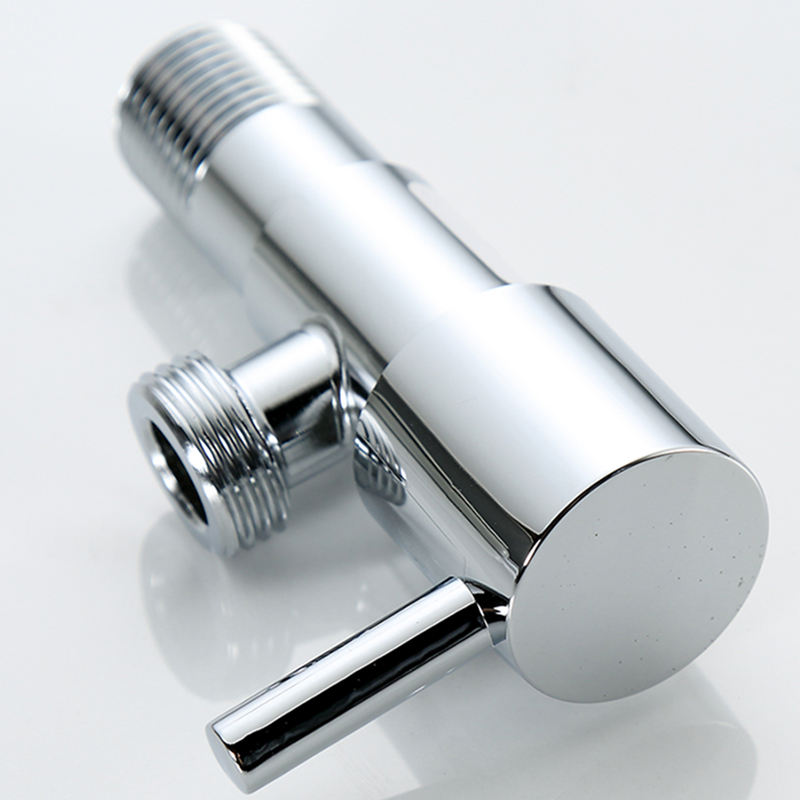
Understanding how an angle valve works transforms how you approach fixture-level water emergencies. The valve mechanism is engineered to sit directly beneath sinks, toilets, and other water-fed appliances, creating a localized control point that prevents water flow when turned. This strategic positioning means you can shut water in moments, stopping leaks before they cause significant damage, without hunting for main water shutoffs in basements or utility rooms. For homeowners facing burst pipes under a sink or continuously running toilets, this immediate response capability is genuinely transformative during urgent situations.
An angle valve mechanism combines simplicity with functional precision. The valve is typically installed where the main water line branches toward a specific fixture, creating a right-angle connection that directs water either toward or away from that appliance. The design is called 'angle' because of this ninety-degree turn in the plumbing pathway. When you turn the handle on an angle valve, you activate an internal ball, gate, or cartridge component that physically blocks the valve mechanism passageway, stopping water flow completely. This straightforward operational principle makes angle valves reliable across thousands of plumbing installations.
The angle valve mechanism sits between your home's main water supply line and the individual fixture connection. For bathroom sinks, the valve connects the wall or floor-mounted supply line to the faucet inlet tubing. In toilet installations, it bridges the main supply and the tank's fill valve inlet. This intermediate positioning gives the angle valve its strategic importance, allowing occupants to shut water specifically to that fixture without interrupting supply to showers, other bathrooms, or kitchen appliances. The valve mechanism's compact design fits easily into tight spaces behind sinks and beside toilets, making it an inconspicuous yet essential component.
During a plumbing emergency, locating and operating your angle valve is your fastest damage-control action. First, identify the valve mechanism positioned beneath or behind the leaking fixture, typically featuring a small handle or knob protruding from the valve body. Turn the handle clockwise to shut water flowing to that specific fixture. Most angle valves operate smoothly and require only a quarter-turn or full rotation to completely stop flow. Unlike valves that demand excessive force, a well-maintained angle valve mechanism responds with minimal resistance, allowing even non-plumbing professionals to perform emergency water shutoff in seconds. This rapid response is critical when you need to stop water from a running toilet or a leak under your sink.
After turning the angle valve handle, verify that water has actually stopped flowing to the fixture. If water continues running, check whether the valve mechanism is fully closed or whether the handle requires another quarter-turn. Some angle valves have multiple rotation positions, so rotate fully clockwise until you feel resistance. If water persists despite a fully closed valve, the valve mechanism may be damaged or clogged with mineral deposits, indicating a need for professional inspection or replacement. Once you've successfully shut water, you have time to assess the damage, contact a plumber, or implement temporary fixes without water continuously streaming into your home. This controlled environment prevents panic and minimizes water damage accumulation during the crisis period.
Every second matters during water emergencies, and having a valve mechanism positioned at the fixture level transforms outcomes. A leaking faucet, burst supply line, or overflowing toilet can cause hundreds of dollars in water damage and property destruction if left running for even minutes. An angle valve lets you shut water immediately to that one fixture, containing the emergency before it spreads. This localized control prevents water from cascading into cabinet bases, saturating drywall, or pooling on floors, dramatically reducing repair costs and insurance claims. Homeowners with properly functioning angle valves consistently report lower emergency-related damage compared to those relying solely on main shutoffs located far from problem areas.
Beyond emergencies, an angle valve mechanism enables homeowners to maintain fixtures without professional assistance. Replacing a faucet aerator, fixing a leaking sink connection, or servicing a toilet fill valve becomes DIY-feasible when you can shut water locally. Plumbers also prefer properties with accessible, functional angle valves because they can complete fixture repairs quickly without draining entire systems or dealing with water running elsewhere in the home. This convenience extends the lifespan of fixtures by enabling prompt repairs and prevents minor leaks from becoming catastrophic through delayed intervention.
If the handle is stuck or difficult to turn, the valve mechanism may have mineral buildup or corrosion from years of use. Try applying penetrating oil around the handle and letting it sit for fifteen minutes before attempting gentle rotation. Never force the handle violently, as excessive force can break internal components. If the valve remains frozen, contact a plumber to either free it carefully or replace it entirely. A non-functional angle valve defeats its emergency-response purpose, so professional service ensures you can reliably shut water when needed.
Test each angle valve at least once annually by turning the handle a quarter-turn and back. This preventive practice keeps the valve mechanism from seizing due to sediment accumulation or mineral deposits. During testing, verify that water actually stops, then restart the flow to confirm the valve reopens completely. Regular testing catches problems before emergencies arise, ensuring your shut water capability functions perfectly when crisis occurs. Many homeowners incorporate valve checks into their fall home maintenance routines alongside furnace inspections and gutter cleaning.
If you have basic plumbing experience and appropriate tools, replacing a residential angle valve mechanism is achievable, though professional installation ensures proper sealing and functionality. The process involves shutting off the main water supply, unscrewing the damaged valve from supply and fixture lines, and screwing a new valve mechanism into position. However, improper installation can lead to leaks that undermine your fixture-level water control advantages. If you're uncertain about any step, hiring a plumber ensures the new valve mechanism performs reliably for years, protecting your emergency response capability.

 EN