 ×
Children are at serious risk from tap hot water in homes and facilities where temperature controls are inadequate. Scalding injuries from hot water remain one of the leading causes of unintentional burn injuries in young children, with many cases preventable through proper tap hot water safety measures. Understanding the mechanisms of scald risk and implementing effective protection strategies can dramatically reduce the likelihood of painful and potentially life-altering injuries.
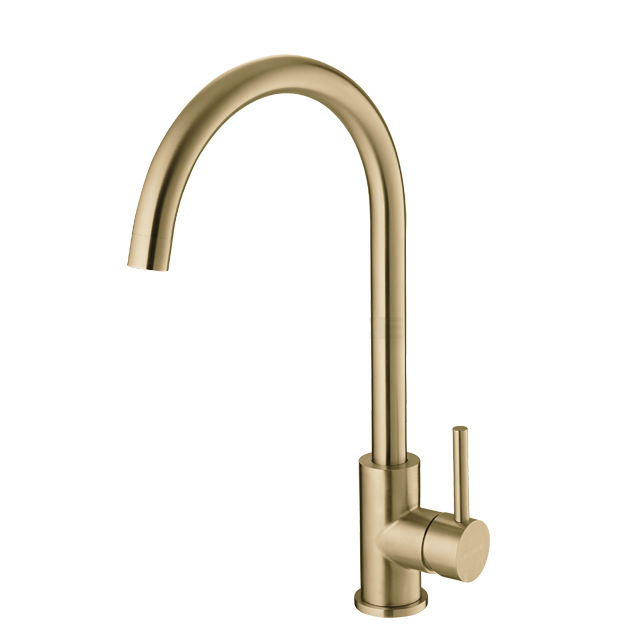
The danger of hot water exposure is not limited to obvious contact with boiling water. Water temperatures above 140 degrees Fahrenheit can cause third-degree burns in as little as three to five seconds on delicate child skin, while water at 156 degrees can cause severe injury in less than one second. Parents, caregivers, and facility managers must recognize that tap hot water safety is not optional but essential to child protection.
Water temperature is the primary determinant of scald injury severity and duration. Most household hot water heaters are set to temperatures between 120 and 140 degrees Fahrenheit, which creates immediate danger during active water use. At 131 degrees Fahrenheit, a child can sustain a full-thickness burn within approximately 25 seconds of exposure. Temperature control becomes critical because even small reductions in heater settings significantly extend the time required for severe injury to occur, allowing time for the child to escape or an adult to intervene.
Child safety depends heavily on understanding that scalding is not instantaneous at all temperatures, but the margin of safety narrows dramatically as water temperature increases. Faucet safety devices and temperature limiters work by maintaining water at safer levels, typically between 104 and 120 degrees Fahrenheit, where injury risk during normal contact is substantially reduced or eliminated.
Children under five years old face the highest scald risk because they lack the coordination and reaction speed to escape hot water quickly. Their thinner skin provides less protection and burns more easily at lower temperatures. Additionally, young children are more likely to turn on faucets without understanding the danger, climb into filled bathtubs unsupervised, or pull hot containers toward themselves. Scald prevention strategies must account for this developmental reality and provide multiple layers of protection rather than relying on behavioral training alone.
Temperature control systems are among the most effective scald prevention tools available. Thermostatic mixing valves automatically blend hot and cold water to maintain a consistent, safe temperature regardless of supply fluctuations. These devices prevent the sudden surges of hot water that commonly occur when cold-water demand drops elsewhere in the home. Faucet safety features often include preset temperature limiters that physically prevent water from exceeding a specified temperature, typically around 120 degrees Fahrenheit.
Modern fixtures incorporate anti-scald cartridges that respond within milliseconds to temperature changes. These mechanical systems do not require electricity or batteries, making them reliable and maintenance-free. Child safety improves substantially when temperature control is built directly into the fixture rather than depending on behavioral practices or external devices that caregivers must remember to use.
Reducing water heater temperature to 120 degrees Fahrenheit is one of the simplest and most cost-effective scald prevention measures. This adjustment takes minutes and requires no special tools or technical expertise. Facility managers and homeowners should verify heater temperature regularly, as thermostats can drift over time. Some water heaters have dual thermostats for upper and lower heating elements; both must be adjusted to ensure consistent temperature throughout the tank.
Regular maintenance of water heaters prevents sediment buildup that can cause temperature fluctuations and reduce efficiency. Flushing the tank annually helps maintain temperature stability and extends equipment life. These maintenance practices directly support both scald prevention and overall home safety while reducing energy consumption and utility costs.
Effective child safety strategies layer multiple protection methods rather than relying on any single approach. Temperature control devices provide the engineering foundation, but active adult supervision remains essential. Barriers such as childproof locks on bathroom doors and cabinet latches for cleaning supplies complement temperature controls. Educating children about hot water hazards appropriate to their developmental stage reinforces the physical protections already in place.
In childcare facilities and institutional settings, scald prevention protocols must include staff training, routine equipment inspections, and clear policies about water temperature monitoring. Regular temperature testing with accurate thermometers ensures that installed controls are functioning correctly and maintaining safe water temperatures consistently.
Testing hot water temperature regularly confirms that safety measures are working effectively. Inexpensive digital thermometers or specialized water temperature testing devices provide quick, reliable measurements. Testing should occur monthly in homes with young children and weekly in facilities serving children. Any temperature readings above 120 degrees Fahrenheit should trigger immediate corrective action, whether adjusting the heater, repairing a failing mixing valve, or addressing a faulty faucet cartridge.
Documentation of temperature tests creates accountability and provides evidence that systematic scald prevention is occurring. If an injury does occur, records demonstrating regular monitoring and maintenance can be important for understanding what happened and preventing future incidents.
The safest water temperature for children is generally considered to be between 104 and 120 degrees Fahrenheit. Water held at this temperature range provides adequate warmth for bathing and cleaning while minimizing scald risk during normal contact. The Consumer Product Safety Commission recommends setting household water heaters to 120 degrees Fahrenheit as a primary scald prevention measure that protects children and reduces energy costs.
Water at 131 degrees Fahrenheit can cause a full-thickness burn requiring medical treatment in approximately 25 seconds. At 140 degrees, a serious burn occurs in about three to five seconds, and at 156 degrees, severe injury happens in less than one second. This rapid progression underscores why temperature control is so critical and why behavioral supervision alone is insufficient protection for young children who cannot react quickly enough to escape.
Quality anti-scald devices and thermostatic mixing valves are highly reliable when properly installed and maintained. These mechanical systems have no moving parts that wear out quickly and do not require electrical power. However, they should be tested regularly to confirm they are functioning correctly, and cartridges may need replacement after many years of use, typically five to ten years depending on water quality and usage patterns. Selecting fixtures from reputable manufacturers and ensuring professional installation contribute to long-term reliability and consistent child safety protection.

 EN