 ×
Faucet export packaging is one of the most critical factors in ensuring products arrive safely at international destinations. When exporting faucets across borders, the stakes are high: damaged goods lead to customer dissatisfaction, costly returns, and damaged business relationships. Proper shipping protection begins with understanding and implementing robust packaging standards that protect your products throughout the entire supply chain, from warehouse to customer doorstep.
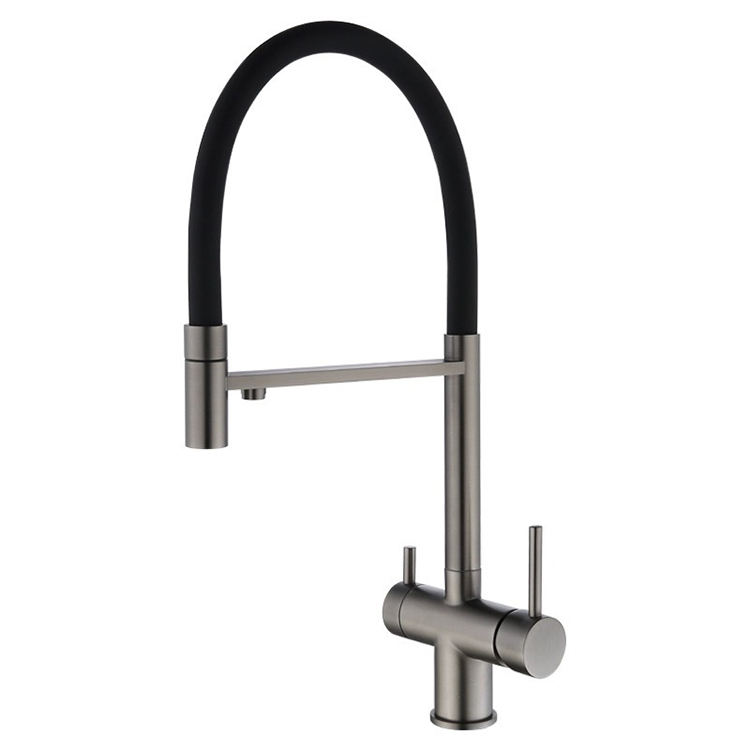
The global nature of faucet trade demands rigorous packaging standards that address multiple hazards during transit. Moisture, vibration, temperature fluctuations, and rough handling all threaten product integrity. Export logistics require meticulous planning and adherence to international best practices to minimize risk and maintain product quality. This comprehensive guide explores the essential packaging standards, protective methods, and export logistics considerations that safeguard faucets during international shipment.
Faucet export packaging must comply with international shipping regulations and industry benchmarks designed to ensure safe delivery. The International Organization for Standardization (ISO) and various regional authorities establish packaging standards that specify material requirements, protective cushioning, and container construction. Your shipping protection strategy must align with these standards to ensure regulatory compliance and demonstrate professional handling to international buyers. Most export logistics providers require documentation confirming that packaging standards meet or exceed industry specifications before accepting shipments.
Compliance with packaging standards is not merely a regulatory box to check; it directly impacts your competitive advantage in global markets. Buyers increasingly verify that suppliers meet established damage prevention protocols before committing to long-term partnerships. By documenting adherence to recognized packaging standards, you build trust and reduce liability concerns that might otherwise deter international orders. This commitment to quality in faucet export packaging demonstrates your operational maturity and professional approach to export logistics.
The foundation of effective shipping protection lies in selecting appropriate materials that provide adequate cushioning and structural integrity. High-density foam, expanded polystyrene (EPS), and air pillows offer proven damage prevention for faucet export packaging. Each material type serves different purposes: foam protects against impact, EPS absorbs shock during transport, and air pillows fill voids to prevent product movement within the box. Your export logistics team should evaluate material options based on transit distance, expected handling intensity, and cost considerations.
Beyond cushioning materials, the primary shipping container itself requires careful selection. Double-walled corrugated cardboard, reinforced kraft boxes, and specialized transit cases all provide varying levels of protection for faucet export packaging. Moisture-resistant materials become essential when shipments traverse humid climates or pass through ports where exposure to salt water spray is possible. Combining multiple protective layers—inner foam cushioning, moisture barriers, and robust outer containers—creates comprehensive damage prevention that meets international packaging standards.
How products are positioned within shipping containers directly affects damage prevention outcomes during export logistics. Faucets should be secured in fixed positions using rigid foam inserts or custom packaging solutions that prevent any lateral movement. Layering multiple faucets requires separation using cardboard dividers and protective layers between units to avoid contact-related damage. Export logistics professionals recommend leaving at least two inches of cushioning material on all sides of the product, with particular attention to protecting chrome finishes, aerator tips, and connection points that are vulnerable to impact.
Orientation matters significantly in faucet export packaging. Positioning units with the spray head facing upward and the base secured against vertical impact points reduces the risk of damage to high-value components. Your packaging standards should include detailed diagrams specifying exact product placement within each container. This consistency streamlines packing operations and ensures uniform shipping protection across all shipments, supporting reliable export logistics performance and meeting expected damage prevention benchmarks.
Proper sealing represents a critical yet often overlooked aspect of faucet export packaging. Industrial-grade packing tape, applied in an H-pattern across all box seams, provides structural integrity that prevents boxes from opening during rough handling or vibration-induced movement. Export logistics standards require that all seams receive a minimum of two tape passes to ensure maximum holding strength. Water-activated kraft tape offers superior adhesion compared to traditional acrylic tape and performs better in humid transit environments, making it the preferred choice for international shipping protection.
Weight distribution demands attention during the preparation phase of export logistics operations. Faucet export packaging should distribute weight evenly throughout the container to prevent bottom crushing, which is a common failure point in stacked shipments. Your damage prevention protocol should include weight verification before sealing boxes, ensuring that individual package weights remain within safe handling limits. Corner and edge reinforcement using additional cardboard strips or plastic corner protectors adds protection during loading and unloading phases when rough handling is most likely to occur.
Comprehensive documentation of packaging standards and procedures creates accountability throughout the export logistics chain. Photographic records of packed shipments, material certifications, and weight records provide evidence of proper damage prevention implementation. Barcode tracking systems allow real-time monitoring as shipments move through customs, ports, and distribution networks. This documentation serves dual purposes: it demonstrates compliance with shipping protection standards and creates data that helps identify weak points in your current packaging approach.
Damage assessment at destination provides invaluable feedback for refining your faucet export packaging strategy. Requesting photographic documentation and detailed damage reports from consignees reveals which protective measures succeed and which require enhancement. Your export logistics team should analyze failure patterns quarterly to identify systematic improvements. If certain faucet models consistently arrive with specific damage types, adjusting packaging standards for those products becomes a priority. This continuous improvement cycle ensures that your damage prevention practices remain effective and cost-efficient.
Effective faucet export packaging balances robust damage prevention with cost management. Bulk purchasing of packaging materials reduces per-unit expenses while maintaining quality standards. Standardizing container sizes and cushioning configurations across multiple product lines simplifies procurement and training. Your export logistics operations can achieve economies of scale by consolidating packaging requirements and negotiating favorable pricing with material suppliers. However, cost reduction should never compromise the fundamental shipping protection standards that prevent damage during international transit.
Measuring return on investment in packaging standards requires tracking damage claims, return rates, and customer satisfaction metrics. Higher initial investment in superior packaging materials often results in lower overall costs when damage claims decrease significantly. Export logistics professionals recognize that protecting product integrity is more economical than processing returns and replacements. By demonstrating improved delivery performance and reduced damage incidents, you strengthen customer relationships and justify premium pricing in competitive international markets where reliability and professionalism command respect.
Faucet export packaging should meet ISO 3691, industry-specific standards from your target markets, and requirements set by major logistics carriers. Your packaging standards must include minimum cushioning thickness (typically two inches minimum), moisture barrier specifications, and structural strength ratings appropriate for international transit. Consult with your freight forwarder or export logistics provider to confirm exact requirements, as standards may vary by destination country and transportation mode. Documentation proving compliance with these packaging standards strengthens customer confidence and reduces liability exposure.
Optimize faucet export packaging efficiency by standardizing container dimensions, negotiating bulk material pricing, and consolidating cushioning approaches across your product line. Regional sourcing of packaging materials can reduce lead times and transportation costs while maintaining shipping protection standards. Training your packing team on efficient material placement techniques reduces waste without compromising damage prevention. Implement quality audits to identify opportunities where premium materials might be replaced with equally effective alternatives, ensuring your export logistics operations remain cost-competitive while meeting established packaging standards.
Moisture control is essential within your faucet export packaging strategy, particularly for long ocean voyages where shipping containers experience temperature and humidity fluctuations. Silica gel packets, vapor barriers, and moisture-absorbing materials prevent corrosion and water damage that compromise product finish and functionality. Your shipping protection measures should include these moisture management tools, especially when faucets travel through tropical climates or remain in storage before delivery. Export logistics professionals recognize that corrosion damage is often permanent and undetectable until installation, making preventive moisture control a critical component of comprehensive damage prevention protocols.

 EN