 ×
Rust spots on your kitchen or bathroom faucets are more than just unsightly—they signal potential corrosion that can compromise water quality and fixture longevity. Understanding how to perform effective faucet rust removal is essential for maintaining a functional, attractive plumbing system. Whether rust has already formed or you're focused on rust prevention, the right approach combines immediate cleaning with ongoing faucet maintenance strategies. This guide walks you through proven methods to eliminate rust permanently and establish practices that keep your fixtures protected year-round.
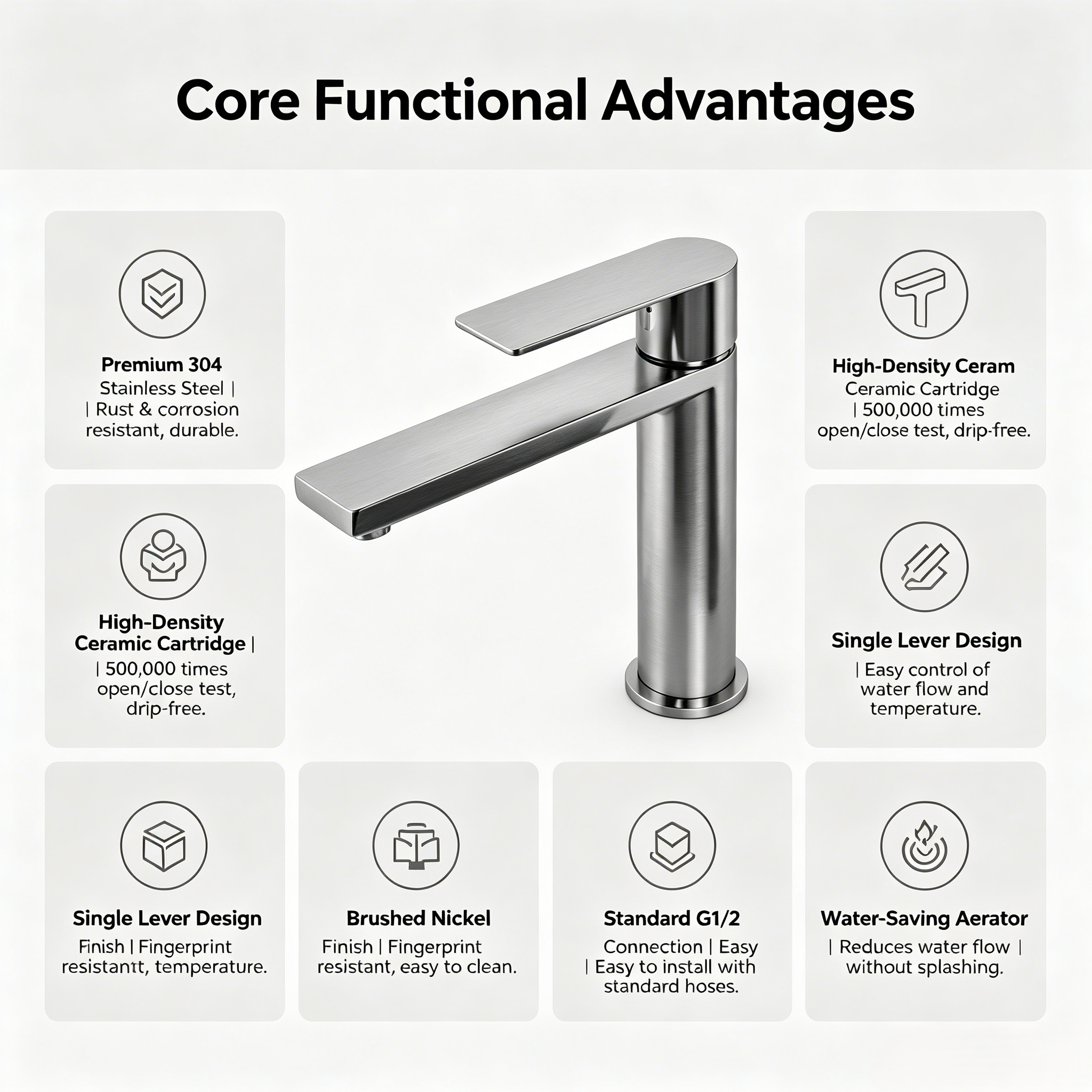
Rust appears when moisture interacts with iron-containing materials or when mineral deposits create corrosion pathways on the faucet surface. Modern stainless steel faucets are far more resistant to rust than older brass or iron models, but even quality fixtures can develop spots if exposed to hard water, high humidity, or poor cleaning tips practices. Addressing rust early prevents it from spreading and extends your fixture's lifespan significantly.
Rust forms when iron or iron-containing alloys oxidize upon contact with moisture and oxygen. On faucets, this typically occurs around joints, aerators, and areas where water pools after use. Hard water minerals create microscopic scratches and deposits that trap moisture, accelerating rust formation. Additionally, chlorine and other minerals in tap water can corrode protective finishes, exposing underlying metal to oxidation. Understanding these mechanisms helps you target rust prevention efforts effectively and choose appropriate faucet maintenance schedules.
The aerator—the screen at the faucet's tip—is the most vulnerable area, collecting mineral deposits and sediment that promote rust. The base where the faucet connects to the sink also traps standing water, creating ideal conditions for corrosion. Handle joints and the underside of the spout are secondary rust hotspots. These high-moisture zones require extra attention during your cleaning tips routine and more frequent anti-corrosion measures. Identifying these problem areas early allows for targeted intervention before rust spreads to the broader fixture.
Start by removing visible rust using a soft cloth slightly dampened with white vinegar or a commercial rust remover. Avoid steel wool or abrasive scrubbers that can scratch the faucet's protective coating and create new corrosion points. For stubborn rust spots, apply a paste made from baking soda and water, letting it sit for 15–20 minutes before gentle scrubbing. Once rust is removed, rinse thoroughly and dry completely with a soft cloth. This immediate approach works well for surface-level rust and prevents deterioration when performed as part of regular faucet maintenance routines.
For faucet rust removal of internal components, disassemble the aerator and any removable parts. Soak these parts in vinegar for one to two hours, then use a soft brush to dislodge rust and mineral deposits. For severe corrosion, a commercial rust penetrant may be necessary—apply according to manufacturer instructions and allow adequate dwell time. This deeper cleaning tips approach reaches areas that surface wiping cannot, restoring water flow and preventing rust recurrence. Always consult your faucet's manual before disassembly to avoid damage and ensure proper reassembly.
Preventing rust is far easier than removing it, making regular faucet maintenance your best defense against corrosion. Wipe your faucet dry after each use, especially around the base and handle joints where water tends to pool. Weekly cleaning tips should include a gentle wipe-down with a dry cloth or microfiber towel to remove mineral deposits and moisture. Monthly, perform a more thorough cleaning using appropriate solutions for your faucet's material—vinegar for mineral buildup and mild soap for general soiling. This consistent approach dramatically reduces rust formation and extends your fixture's lifespan.
Installing a water softener reduces mineral content that promotes rust and corrosion, protecting not only your faucet but your entire plumbing system. Applying a protective wax or sealant to your faucet creates a barrier against moisture and oxidation. Ensure your bathroom and kitchen have adequate ventilation to minimize humidity around fixtures—exhaust fans and open windows help prevent moisture accumulation. If you live in a high-humidity environment, consider rust prevention products specifically designed for faucets, applied monthly as part of faucet maintenance. These anti-corrosion strategies work synergistically to create an environment where rust cannot thrive.
Yes, rust can affect water quality by introducing iron particles and potentially harmful microbes that colonize corroded surfaces. While surface rust spots typically indicate early-stage corrosion, extensive rust may require fixture replacement. Regular faucet rust removal and maintenance preserve both water safety and fixture function, making early intervention important for household health.
Stainless steel faucets respond well to vinegar and mild soap, while chrome finishes require gentler treatment to avoid streaking and pitting. Brass or bronze faucets need specialized cleaners to avoid discoloration. Always check your faucet's care instructions before using cleaning tips solutions, and test any new product on an inconspicuous area first. Material-appropriate faucet maintenance ensures effective rust prevention without damaging protective finishes.
Weekly drying and monthly deep cleaning form the foundation of effective faucet maintenance and rust prevention. In high-moisture environments or areas with hard water, increase frequency to bi-weekly thorough cleaning to maximize anti-corrosion benefits. Individual circumstances vary, so adjust your schedule based on rust appearance and water conditions in your home.

 EN