 ×
Choosing a basin tap shape for a round or square countertop sink is mainly a question of visual balance, not a rule that every curve must meet a curve or every corner a corner. A round basin tap usually softens a geometric setting, while a square basin tap can echo crisp edges. For useful countertop matching, start with the sink profile, then consider the room’s bathroom design and the tap’s proportions.
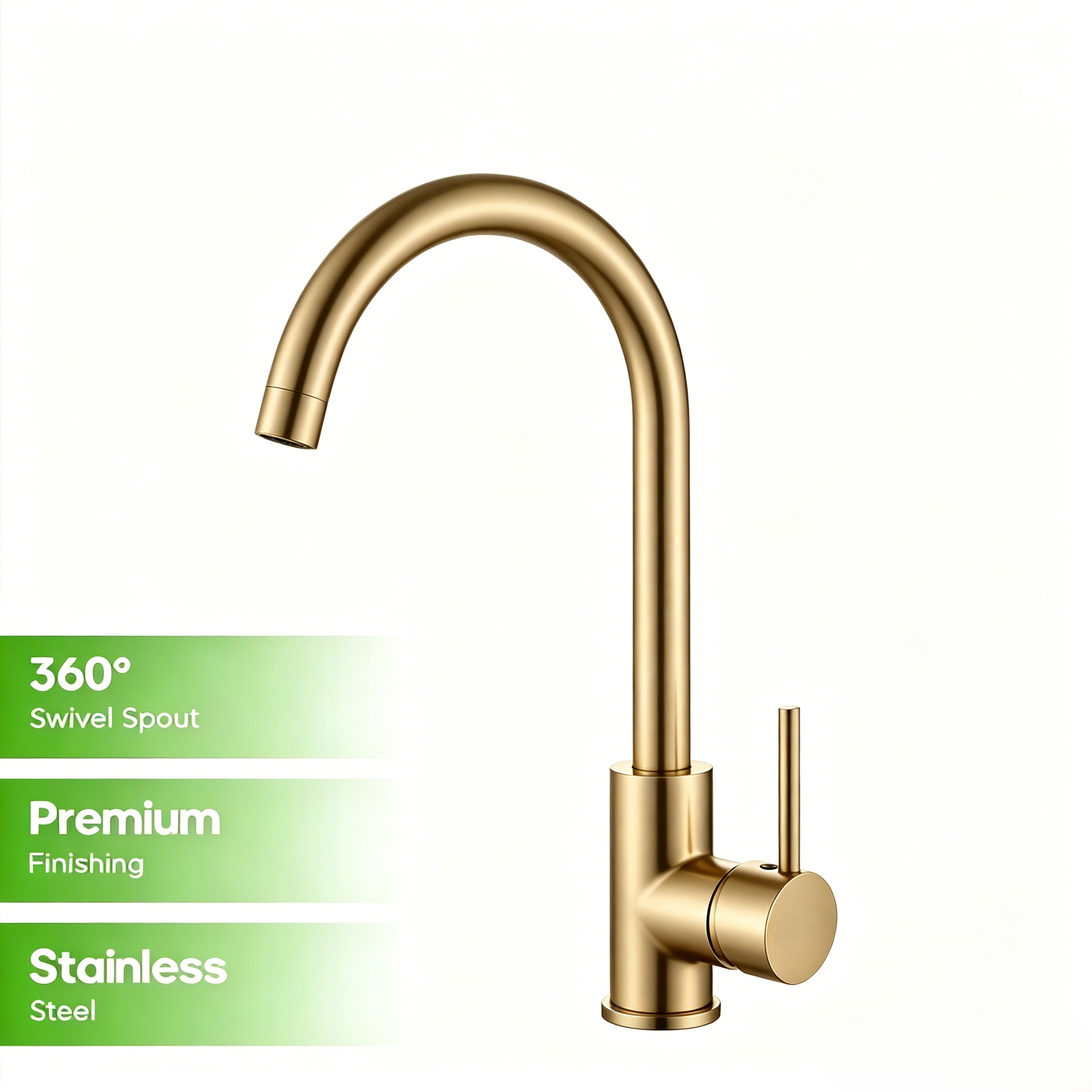
A successful pairing depends on more than matching outlines. The basin’s rim, tap height, spout reach, mounting position, and nearby finishes all affect how the installation looks and works. This guide explains when a round basin tap or square basin tap suits each countertop sink, how to judge countertop matching, and how to keep bathroom design coherent without making the fixtures feel overly coordinated.
A circular or oval vessel basin already creates a strong curved outline above the counter. A round basin tap can continue that language through a curved spout and softened body, making the arrangement feel calm and visually connected. In bathroom design, this approach works especially well when mirrors, lighting, or cabinet pulls also use rounded forms. Countertop matching is less about identical shapes than about giving the eye a consistent rhythm.
A square basin tap can also complement a round sink when the room needs a deliberate contrast. Its angular base or handle introduces definition, which may connect the basin to a rectangular mirror or straight-edged vanity. The contrast should feel intentional rather than accidental: check whether the tap’s edges repeat another detail nearby. If the rest of the room is soft and minimal, a round basin tap may create a quieter transition.
A square or rectangular countertop sink often pairs naturally with a square basin tap because their lines share a measured, architectural quality. The squared profile can reinforce the basin’s corners without requiring every fixture to be identical. For countertop matching, look at the tap base and handle as well as the spout; these smaller forms determine whether the fitting feels aligned with the sink or visually unrelated.
A round basin tap beside a square sink can be an effective way to reduce visual rigidity. A curved spout breaks up repeated straight edges and can make a compact vanity feel less severe. The choice is strongest when the curve has enough presence to read as a considered contrast. In bathroom design, repeated rounded details elsewhere can help the pairing feel integrated rather than like a mismatch.
Before choosing a round basin tap or square basin tap, check where the water stream will land inside the bowl. A spout that is too short may direct water close to the rear wall, while excessive reach can send it toward the front edge. Compare the tap’s reach with the basin’s internal dimensions, and account for the mounting point on the countertop or sink deck.
Height matters just as much as the profile. A tall tap can suit a deep vessel basin, but an unnecessarily high outlet may increase splashing depending on bowl depth and water pressure. A lower profile may be more appropriate where the sink is shallow or where a shelf or mirror limits clearance. For countertop matching, assess these functional dimensions before deciding whether a rounded or angular silhouette looks best.
Confirm the installation arrangement before selecting the design. A countertop vessel basin commonly needs a tap with suitable height and reach, while an integrated basin may use a deck-mounted fitting with different clearances. Check the number and position of mounting holes, access beneath the counter, and the space required to operate the handle. These details help determine whether a round basin tap or square basin tap is practical for the actual vanity.
Also consider how the tap will be cleaned and used. Pronounced corners may need extra attention where water spots collect, while curved surfaces can be easier to wipe in one motion. Handle shape and operating direction matter if the fitting sits close to a wall or backsplash. A good bathroom design decision considers these everyday interactions alongside the appearance of the tap beside the sink.
A basin tap shape looks balanced when its visual weight suits the sink and vanity. Compare the width of the tap body with the basin, then view the spout from the front and side. A small, delicate fitting may disappear beside a broad vessel, while a heavy silhouette can dominate a compact sink. Countertop matching improves when the tap’s scale relates to the basin rather than merely repeating its outline.
Next, inspect the surrounding geometry as a group: countertop edge, basin rim, mirror, backsplash, and cabinet fronts. A square basin tap can pick up strong architectural lines, while a round basin tap can provide contrast or echo curved accessories. In bathroom design, repeating one or two shapes is often enough to create a relationship; forcing every element into the same profile can make the room feel less considered.
Finish affects how much attention a tap draws, so review it under the room’s actual lighting and alongside other visible hardware. A similar finish can connect a round basin tap or square basin tap to nearby fittings even when their forms differ. Conversely, a contrasting finish makes the tap more prominent, so its proportions and placement should feel deliberate. Consider the countertop color, basin surface, and cabinet tone together.
For a final check, view the sample, specification drawing, or product image at the same angle as the planned installation. Confirm the tap dimensions, mounting requirements, and clearance before ordering. The right countertop matching decision balances outline, scale, finish, and use; no single shape is automatically correct. A round basin tap can suit a square sink, and a square basin tap can suit a round one when the rest of the composition supports that choice.
No. A similar profile creates a coordinated look, but contrast can make the arrangement more distinctive. Judge the tap’s scale, surrounding lines, and finish to decide whether the difference feels intentional. Countertop matching works through visual relationships, not a requirement for identical outlines, and bathroom design can use contrast to balance a room.
Yes, if the curved profile provides a useful contrast and fits the basin’s dimensions. Check spout reach, height, and how the tap relates to the mirror and vanity edges. Countertop matching is more convincing when another detail supports the curve, and bathroom design remains balanced rather than relying on the sink and tap as the only forms.
Measure the basin and review mounting location, clearance, spout reach, and handle movement. Then compare the tap’s angular details with the countertop and surrounding fixtures. Countertop matching should account for practical use as well as appearance, while bathroom design benefits from a clear reason for repeating or contrasting the sink’s geometry.

 EN