 ×
Aluminum shower fixtures endure constant exposure to moisture, temperature fluctuations, and mineral-rich water that accelerates oxidation and surface discoloration. Over months and years, this degradation compromises both the aesthetic appeal and functional integrity of your shower system. Understanding the mechanisms behind oxidation and implementing strategic shower oxidation prevention measures can significantly extend the lifespan and appearance of your installation while reducing maintenance burden and replacement costs.
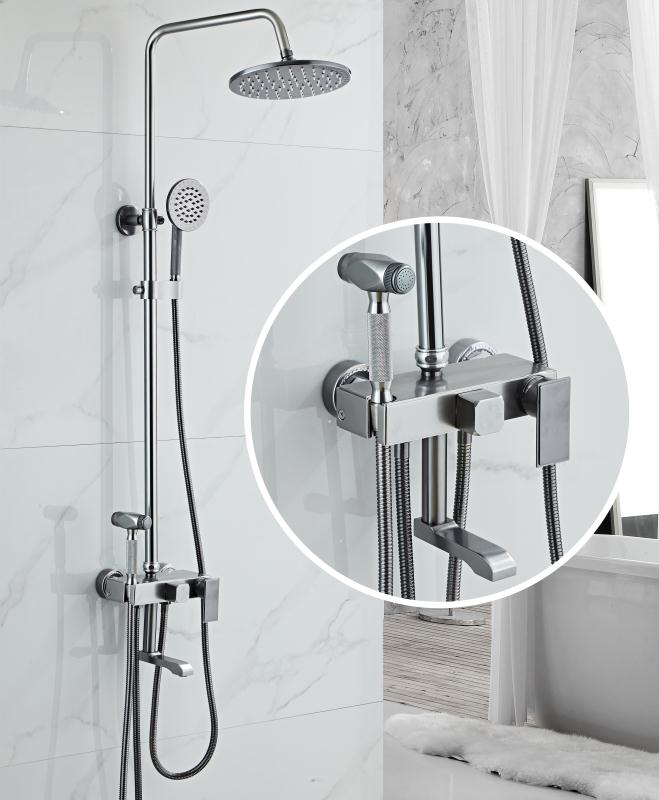
Long-term care of aluminum shower fixtures demands a proactive approach that combines protective treatments, regular cleaning routines, and environmental controls. When oxidation begins, the metal surface develops a chalky white or gray film that progressively worsens if left unaddressed. Early intervention through proper space aluminum maintenance prevents the oxidation process from advancing into deeper corrosion stages that become increasingly difficult and expensive to reverse or repair.
Water chemistry plays a central role in aluminum oxidation rates. Hard water containing elevated calcium, magnesium, and chloride ions creates an electrolytic environment that accelerates oxidation by establishing galvanic couples on the metal surface. Shower environments combine persistent moisture, steam exposure, and mineral deposits that concentrate corrosive salts directly on aluminum components, intensifying oxidation potential compared to dry applications.
Temperature cycling within the shower environment further stresses aluminum surfaces. Hot water softens the passive oxide layer protecting the underlying metal, while cooling periods allow mineral precipitation that locks oxidation byproducts into surface crevices. This repeated thermal stress combined with ongoing chemical attack creates conditions where discoloration progresses rapidly without intervention and proper space aluminum maintenance protocols.
Ventilation directly influences oxidation rates in shower spaces. Poor air circulation traps moisture against aluminum surfaces, extending the time available for chemical reactions to occur. Bathrooms with inadequate exhaust systems experience elevated humidity levels that remain elevated for extended periods post-shower, creating ideal conditions for accelerated oxidation. High-humidity environments promote faster discoloration and require more aggressive long-term care schedules to maintain appearance.
Chemical exposure from cleaning products, soap residues, and chlorine or salt-based water treatments compounds oxidation severity. Standard bathroom cleaners often contain acids or alkaline compounds that react with aluminum surfaces, weakening the protective oxide layer and triggering visible discoloration within days. Understanding which products are compatible with aluminum materials becomes essential for effective shower cleaning protocols that prevent premature degradation.
Applying protective coatings represents the most effective barrier against oxidation in aluminum shower systems. Anodized finishes create a thickened oxide layer through electrochemical processes that significantly increases corrosion resistance compared to bare aluminum. Type II or Type III anodizing provides adequate protection for residential shower applications, while clear or colored anodic coatings preserve the natural aluminum aesthetic while delivering substantial oxidation prevention benefits over five to ten year periods.
For existing installations without factory anodizing, silicone-based or polyurethane sealers offer practical discoloration fix solutions that create moisture barriers on aluminum surfaces. These protective coatings must be reapplied every twelve to twenty-four months depending on humidity levels and water chemistry to maintain effectiveness. Powder coating applications provide superior long-term protection through thicker, more durable surface barriers that resist both oxidation and mechanical wear in high-use shower environments.
Establishing consistent shower cleaning schedules prevents mineral and oxidation debris accumulation that accelerates discoloration progression. Weekly rinses with clean water remove mineral deposits and soap residues before they can concentrate and initiate oxidation reactions on aluminum surfaces. Soft-bristle brushes paired with pH-neutral cleaners specifically formulated for aluminum safely remove surface contaminants without damaging protective oxide layers or triggering new oxidation.
Monthly deep cleaning with mild acidic solutions like white vinegar effectively dissolves mineral deposits and early-stage oxidation stains without excessive chemical aggression. The acidic environment temporarily softens oxidation byproducts, allowing physical removal through gentle scrubbing that prevents re-deposition of corrosive compounds. This balanced approach to space aluminum maintenance preserves protective coatings while addressing visible discoloration before it penetrates deeper into the metal structure.
Installing or upgrading exhaust ventilation systems provides one of the highest-return investments in oxidation prevention for bathroom environments. Effective exhaust systems reduce post-shower humidity levels within thirty minutes, significantly limiting the time moisture remains available for oxidation reactions. Running ventilation fans during and for at least thirty minutes after shower usage dramatically slows discoloration progression and reduces overall maintenance burden required for long-term care of aluminum fixtures.
Passive ventilation improvements including window operation, door vents, and enhanced air circulation patterns complement mechanical exhaust systems and reduce peak humidity levels throughout the day. Moisture-absorbing products placed strategically within shower enclosures capture excess humidity that would otherwise remain trapped against aluminum surfaces. When combined with proper shower oxidation prevention practices, environmental humidity management prevents oxidation advancement even in bathrooms with historical moisture control challenges.
Installing water softeners or filtration systems reduces the mineral content that drives oxidation acceleration in shower environments. Calcium and magnesium ion reduction directly decreases the corrosive chemical environment attacking aluminum surfaces, slowing discoloration development measurably over months and years. Whole-house or point-of-use water treatment systems for shower applications represent reasonable investments when compared against frequent replacement costs of heavily oxidized aluminum fixtures.
Chlorine reduction through carbon-based filters or reverse osmosis treatment eliminates one of the most aggressive oxidizers attacking aluminum in treated municipal water supplies. Many communities add chlorine for disinfection purposes, and while safe for human consumption, chlorine dramatically accelerates oxidation in metal-intensive applications like shower systems. Addressing water chemistry through appropriate treatment technologies complements mechanical maintenance efforts and provides foundation for effective long-term care regimens.
Early oxidation appears as a chalky white or slightly gray film on aluminum surfaces that you can wipe away with a damp cloth. Initially, discoloration concentrates in low-point areas where water pools and mineral deposits concentrate. Catching oxidation at this early stage allows effective discoloration fix through simple cleaning methods, preventing progression into deeper corrosion that requires professional restoration or component replacement.
Avoid harsh acidic cleaners, bleach-based products, and abrasive scrubbers that damage protective oxide layers and trigger accelerated oxidation responses. Alkaline cleaners, ammonia-based products, and steel wool create chemical reactions that worsen discoloration and compromise space aluminum maintenance efforts. Stick with pH-neutral cleaners formulated specifically for aluminum or use mild vinegar solutions diluted with water for safe, effective shower cleaning without risking additional surface damage.
Weekly rinses with clean water and mild soap removal maintain baseline protection against mineral accumulation. Monthly deep cleaning with appropriate solutions addresses developing mineral deposits and early discoloration before they advance. Quarterly protective coating inspections identify areas where sealers or anodized finishes show wear, allowing timely reapplication before oxidation accelerates. In high-humidity or chemically aggressive water environments, increase frequency to bi-weekly deep cleaning and semi-annual coating assessments to sustain long-term care effectiveness.

 EN