 ×
Scalding accidents represent one of the most common kitchen injuries affecting children, with boiling water tap safety emerging as a critical concern for families and facility managers. When children have unsupervised access to boiling water dispensers, the risk of severe thermal burns increases dramatically. A reliable child safety lock system transforms a high-risk appliance into a safer kitchen fixture by preventing unauthorized activation of the hot water dispenser.
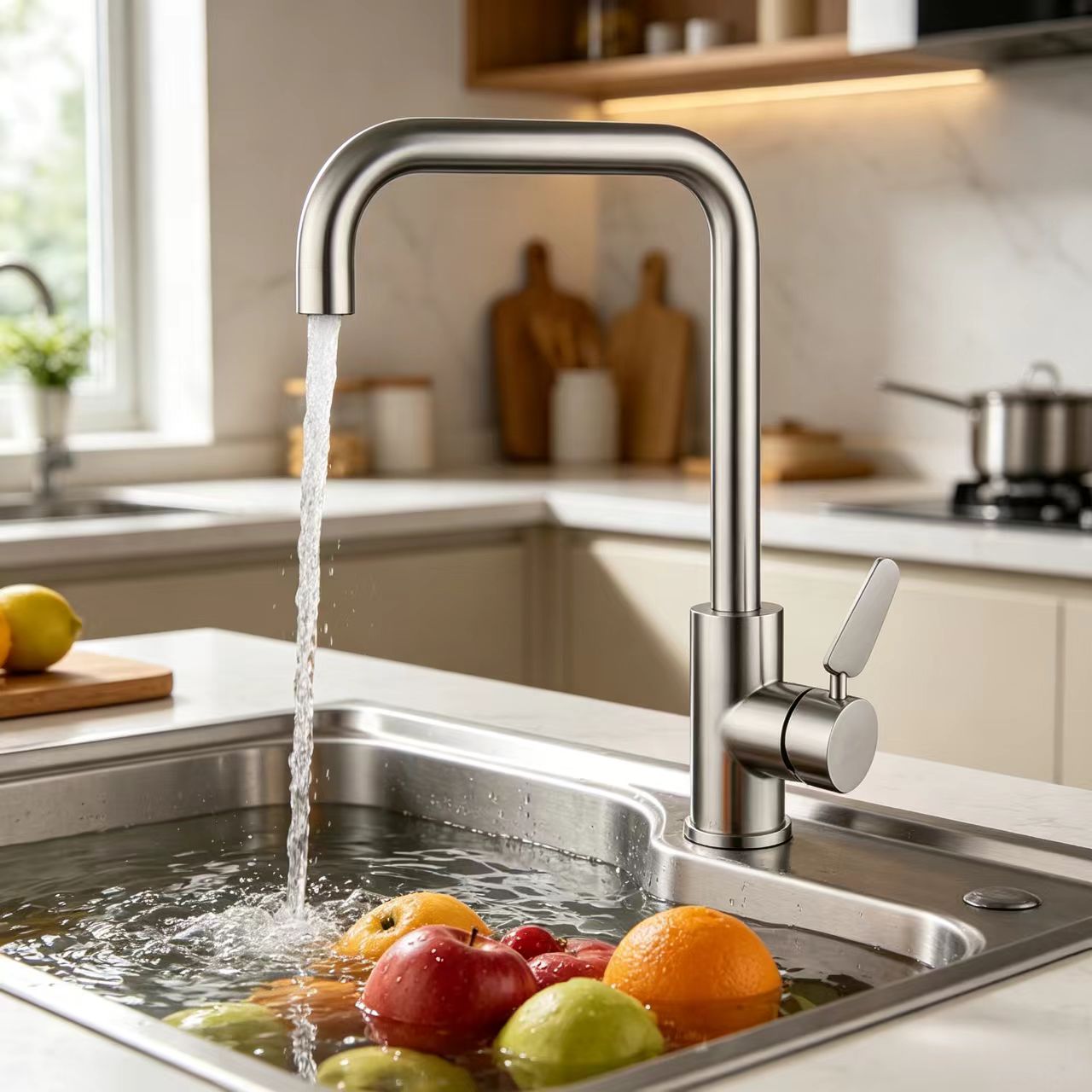
Modern boiling water tap safety systems integrate multiple protective layers designed specifically to prevent accidental contact with dangerously hot water. These systems combine physical barriers, activation mechanisms, and thermal controls to create a comprehensive scald prevention strategy. Understanding how these safety features work helps homeowners and workplace managers make informed decisions about kitchen safety investments.
A child safety lock operates through a dual-activation or button-hold system that requires intentional, deliberate action to dispense boiling water. Unlike standard faucets that respond to simple lever movements, the child safety lock demands coordinated finger pressure or sequential button presses that children typically cannot perform. This mechanical barrier creates a genuine obstacle between a curious child and a serious burn injury.
The typical child safety lock includes a protective cover that shields the activation button or lever from accidental contact. Even if a child reaches the faucet, their hands cannot easily access or operate the triggering mechanism. Manufacturers design these covers with rounded edges and recessed buttons to further discourage interaction.
Modern hot water dispensers combine child safety lock features with temperature regulation to create multi-layered scald prevention. The hot water dispenser maintains a preset temperature that minimizes burn severity even if activation occurs. When child safety lock mechanisms fail or are bypassed, the temperature control serves as a secondary safeguard.
Advanced hot water dispenser models include hold-time requirements, meaning users must maintain continuous pressure on the safety lock button for several seconds before water begins flowing. This extended activation window allows caregivers time to intervene if a child manages to reach the faucet.
Scald prevention technology relies on precise temperature management to reduce burn severity. Rather than delivering water at the maximum heat setting, modern systems maintain temperatures between 49 and 55 degrees Celsius, significantly below the boiling point. This scald prevention approach means that even if a child accidentally contacts the water stream, the burn risk remains substantially lower.
Thermostatic mixing valves automatically regulate water temperature by blending hot and cold water in real-time. If the cold water supply drops or hot water temperature fluctuates, the mixing valve adjusts proportions instantly to maintain consistent output. This scald prevention mechanism operates independently of user settings or behavior.
Kitchen safety extends beyond temperature control to include flow rate management. By limiting the volume of water that can be dispensed per second, manufacturers reduce the total thermal energy transferred to skin during accidental contact. Lower flow rates mean shorter contact duration before a child naturally recoils from the sensation.
Some premium hot water dispenser models include automatic shutoff timers that stop water flow after five to ten seconds of continuous operation. This kitchen safety feature prevents prolonged exposure and eliminates the scenario where a child holds the safety lock button for an extended period.
Families with young children should prioritize child safety lock installation as part of their overall kitchen safety strategy. Beyond the boiling water tap itself, parents should establish clear behavioral rules about kitchen zones where children can move independently. The child safety lock serves as a physical reinforcement of these rules rather than a complete substitute for supervision.
Installation of a hot water dispenser with integrated scald prevention requires consideration of reach zones. Placing the faucet in locations where young children cannot easily access it, even with climbing assistance, reduces the likelihood that they will interact with the mechanism. Height placement combined with child safety lock features creates redundant protection layers.
Workplaces, schools, and healthcare facilities face unique kitchen safety challenges due to high-volume user traffic and diverse populations. In these settings, child safety lock features become even more critical as staff cannot monitor every individual who enters the kitchen. Hot water dispenser models designed for commercial use often feature more robust locking mechanisms and higher-grade materials.
Training becomes an essential component of kitchen safety in institutional settings. Staff members must understand how to operate the child safety lock correctly and recognize when mechanisms show signs of wear or malfunction. Regular maintenance schedules ensure that scald prevention systems continue functioning reliably throughout the product lifespan.
Children from infancy through approximately eight years old represent the highest-risk population for scalding injuries from boiling water taps. This age range includes toddlers and young children who naturally explore their environment through touching and testing boundaries, but lack the cognitive development to understand burn hazards. The child safety lock remains beneficial until children can reliably understand and follow household safety rules.
Monthly visual inspections of the child safety lock mechanism help identify wear, cracks, or malfunction before failure occurs. If the lock feels loose, sluggish, or unresponsive compared to previous operation, professional servicing is necessary. Quarterly professional maintenance ensures all scald prevention components function within manufacturer specifications, particularly in high-use commercial environments.
Some aftermarket child safety lock kits are available for existing hot water dispensers, though installation quality and effectiveness vary considerably. Professional installation of a new hot water dispenser with integrated scald prevention features generally provides superior kitchen safety compared to retrofitting solutions. Consulting with the appliance manufacturer regarding compatibility ensures that any modification maintains warranty coverage and system integrity.

 EN