 ×
Selecting the right basin faucet involves more than aesthetics; it directly influences daily comfort and usability. The spout height and reach of your basin faucet determine how easily you can wash your hands, fill containers, and manage water flow at your sink. A poorly positioned basin faucet can create splashing, restrict access, or cause strain during regular use. Understanding the relationship between spout design and everyday functionality helps you make an informed decision that enhances your bathroom or kitchen experience.
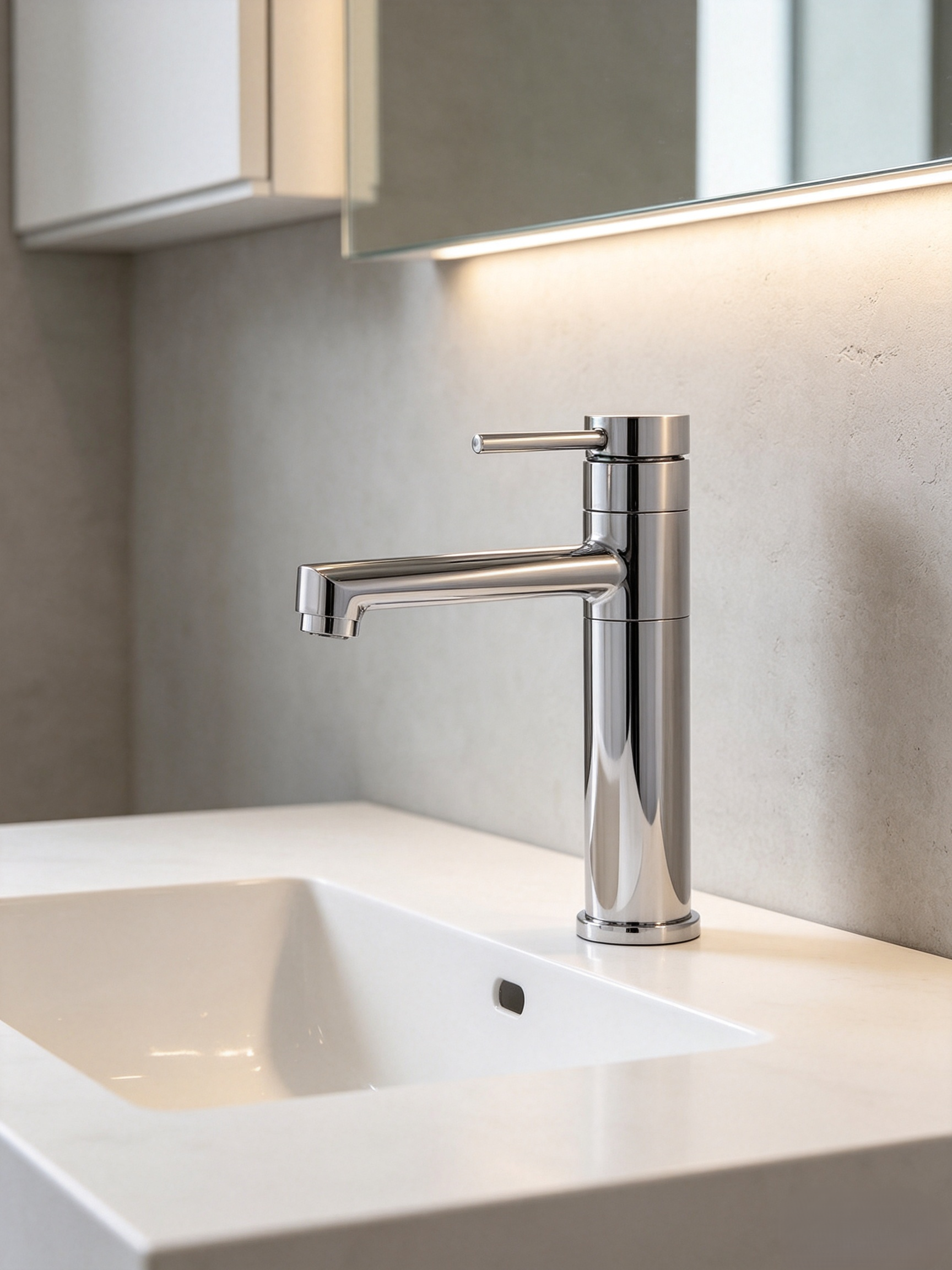
The dimensions of your basin faucet directly affect how comfortable and efficient sink use becomes. When spout design fails to account for proper height and reach, users face challenges with water control, hand positioning, and task completion. Residential use demands faucets that balance professional aesthetics with practical ergonomics, making spout geometry a critical specification. This guide explores the measurements, design principles, and considerations that define a well-designed basin faucet for your home.
Standard basin faucet spout heights in residential use typically range from 4 to 8 inches above the sink rim. Most modern basins pair with faucets featuring a 5 to 6-inch spout elevation, which accommodates average hand sizes and allows comfortable access to the sink basin without excessive splashing. The basin faucet height you choose depends on your sink's depth, the basin dimensions, and how you plan to use the fixture. Shallow basins may require lower spout designs, while deeper sinks benefit from slightly elevated spouts that facilitate filling and cleaning tasks.
Your basin's profile influences the ideal spout height for your basin faucet. Vessel sinks, which sit above the counter surface, often pair with taller spouts that clear the basin rim by several inches. Undermount or drop-in basins may work better with moderate spout heights that prevent excessive splashing during use. When evaluating any basin faucet, measure from the sink rim to the spout outlet and consider how water will flow into your specific basin shape. Testing height before final installation ensures your residential use needs are met without compromises.
The horizontal reach of your basin faucet—the distance from the wall or mounting point to the spout tip—determines whether you can comfortably access all areas of the sink. Typical spout design specifications position the outlet between 6 and 10 inches from the faucet base, depending on the basin's width. Adequate reach prevents users from having to stretch awkwardly or reposition themselves while washing hands or performing sink tasks. For residential use, ensure your basin faucet reaches at least the center point of the sink to allow full basin utilization and prevent water from running down the exterior walls unnecessarily.
Modern spout design increasingly incorporates angled outlets that direct water flow downward and forward rather than straight down. This engineering choice improves comfort by reducing splashing and ensuring water lands efficiently inside the basin. An effective basin faucet angles its spout to create a controlled stream that minimizes mess and maximizes functional efficiency. In residential use settings, this attention to water trajectory makes daily hand-washing more pleasant and keeps your sink area cleaner. The combination of proper height, reach, and flow angle creates a cohesive user experience that defines quality spout design.
Real-world installation often involves spatial limitations that affect which basin faucet dimensions work best. Bathrooms with limited counter space, mirrors positioned close to the sink, or narrow basins may require more compact spout designs with shorter reach. Conversely, generous counter space and larger basins support taller, more extended faucets that offer superior functionality. When selecting a basin faucet for residential use, measure your available space carefully and consider how the faucet will interact with surrounding fixtures. Some modern designs use dual-arm or articulating spouts that adjust to fit various spatial constraints while maintaining excellent performance.
The spout design quality directly influences how long your basin faucet functions reliably in residential use. High-quality materials resist mineral buildup, corrosion, and mechanical stress from daily water flow and use. Premium basin faucet spouts maintain consistent water pressure, smooth operation, and aesthetic appeal over years of service. When evaluating options, examine the aerator design, valve construction, and finish durability to ensure your basin faucet will perform comfortably and reliably throughout its lifespan. Investing in a well-engineered spout design protects both your functionality and your financial commitment.
The ideal spout height for most residential use ranges from 5 to 6 inches above the sink rim. This measurement accommodates average hand sizes, prevents excessive splashing, and allows comfortable access to the entire basin. However, your specific needs depend on sink depth, basin shape, and personal preference. Always verify that your chosen basin faucet height works with your particular sink configuration before installation.
Spout design significantly impacts splash reduction through the angle of water delivery, the distance from the basin, and the stream shape created by aerator design. A well-engineered basin faucet directs water downward and slightly forward, ensuring it lands inside the basin rather than splashing onto countertops. The combination of proper height, adequate reach, and thoughtful aerator engineering minimizes mess during residential use. Poor spout design causes water to spray unpredictably, reducing comfort and creating maintenance headaches.
Most basin faucet installations cannot be easily modified after purchase to change spout height or reach significantly. These dimensions are integral to the faucet's structural design and cannot be adjusted without replacement. However, aerator changes can improve water flow characteristics, and some spout designs include swivel features that improve functional reach. If your current basin faucet doesn't meet your comfort needs, replacement with a properly dimensioned model is typically the best solution for residential use.

 EN